EU and its 27 member states provided 40 percent of global humanitarian aid
Brussels, August 18 (Hibya) - The European Union (EU) and its 27 member states reportedly provided 40 percent of global humanitarian aid in 2025. According to EU data, 239 million people worldwide are expected to need humanitarian assistance in 2026.
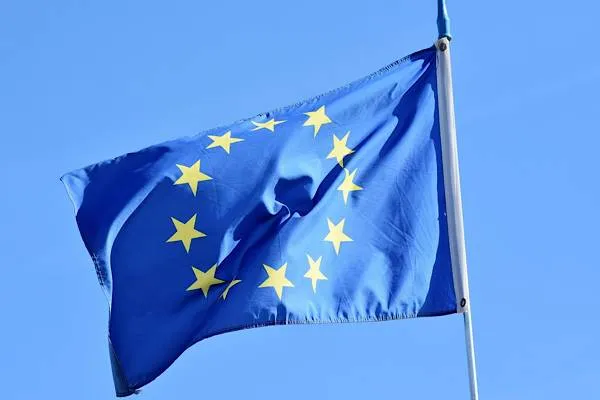
The EU and its 27 member states were reported to be the world's largest provider of humanitarian assistance to populations affected by disasters.
According to EU data, 40 percent of global humanitarian aid in 2025 was provided by the EU and its member states. The EU's humanitarian aid budget for 2026 was stated to be 1.9 billion euros.
While an estimated 239 million people worldwide are expected to need humanitarian assistance in 2026, it was noted that by the end of 2025, one in every 70 people globally had been forcibly displaced, with the total number of forcibly displaced people reaching 117.8 million.
The main objectives of the EU's humanitarian aid activities include saving lives, preventing and alleviating human suffering, and protecting human dignity. Assistance is provided to people facing hunger and malnutrition, refugees and internally displaced persons, victims of armed conflict, and those who have lost their homes or livelihoods.
The EU's humanitarian aid activities continue in crisis areas including Gaza, Syria, Sudan, South Sudan, Ukraine, the Sahel region, Yemen, Myanmar, the Democratic Republic of the Congo, Afghanistan and Haiti.
EU-funded humanitarian assistance is delivered on the ground through more than 200 partner organizations, including United Nations agencies, the International Red Cross and Red Crescent Movement, and international and national non-governmental organizations.
Assistance includes food security, nutritional support, emergency health services, water and sanitation, shelter, protection from physical and psychological harm, education in emergencies and cash assistance.
It was emphasized that the EU's humanitarian aid activities are based on the principles of humanity, neutrality, independence and impartiality. Assistance is provided based on need, regardless of race, ethnic group, religion, gender, age, nationality or political affiliation.
While international humanitarian law guarantees the protection of civilians, healthcare workers and humanitarian personnel, it was stated that these rules are being increasingly violated in conflict zones.
It was reported that 2024 was the deadliest year on record for humanitarian workers, with 387 aid workers killed, 308 injured and 138 abducted during the year.
In 2025, 350 humanitarian workers were reported killed, 322 injured and 235 abducted.
Europe Asia News
 Facebook
 Tweeter
 Whatsapp