U.S. stock futures fall despite Fed rate cut
Istanbul, December 11 (Hibya) – U.S. stock futures for the S&P and Nasdaq fell as renewed concerns over technology stocks overshadowed the Federal Reserve’s expected rate cut, which had boosted U.S. equities in the previous session.
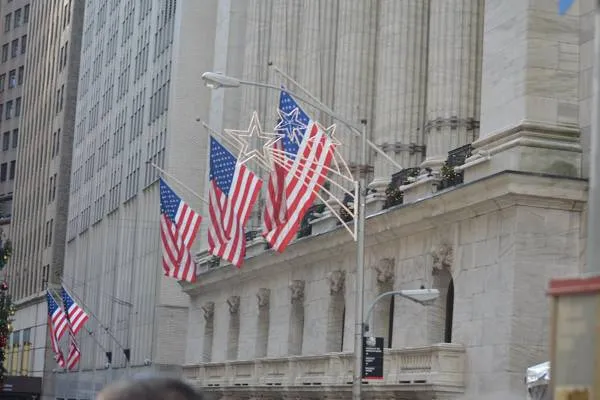
Futures tied to the Dow Jones Industrial Average rose by 43 points, or 0.1 percent. S&P futures slipped by about 0.1 percent, while Nasdaq 100 futures dropped more than 2 percent.
The decline in stock futures was driven in part by cloud computing company Oracle’s disappointing quarterly revenue report and its upward revision of spending forecasts, which sent Oracle shares plunging 11 percent. The earnings report further fueled debates over how quickly technology companies’ investments in artificial intelligence will generate returns. Other AI-linked companies also fell in extended trading; Nvidia declined 1 percent, while CoreWeave lost more than 3 percent.
U.S. equities had risen after the Fed announced its third rate cut of the year and ruled out rate hikes. The Federal Open Market Committee lowered the overnight borrowing rate by a quarter point to a range of 3.5 percent to 3.75 percent, signaling a slower pace of future rate cuts.
Fed Chair Jerome Powell said the central bank is “in a good position to wait and see how the economy evolves,” and underscored that President Donald Trump’s tariffs have been a key driver of inflation.
All three major indexes closed in positive territory during Wednesday’s session, with the 30-stock Dow rising about 497 points, or roughly 1.1 percent. The small-cap Russell 2000 Index posted a record close, as smaller companies tend to benefit more from lower borrowing costs due to their closer sensitivity to market interest rates.
Although markets recovered in the second half of Wednesday’s session, some investors warn that caution is warranted as the central bank remains uncertain about its future monetary policy trajectory.
Chris Zaccarelli, Chief Investment Officer at Northlight Asset Management, said: “It’s not surprising to see short-term optimism in markets as the Fed continues to cut rates despite economic growth; however, we believe that optimism could shift to a more realistic outlook once investors realize rate cuts may not last as long as expected — or may not materialize at all.”
Ellen Hazen, Chief Market Strategist at F.L.Putnam Investment Management, stated that rising uncertainty over future interest rates and conflicting data on the U.S. economy “could lead to heightened volatility and risk premiums in riskier markets such as equities as we head into 2026.”
Europe Asia News
 Facebook
 Tweeter
 Whatsapp