Gaza's health system on alert: Medicine and ambulance crisis deepens
Gaza, July 12 (Hibya) - Health authorities in Gaza called on the international community for urgent support, warning that hundreds of thousands of patients are at risk due to severe shortages of medicines, medical equipment, and ambulance services.
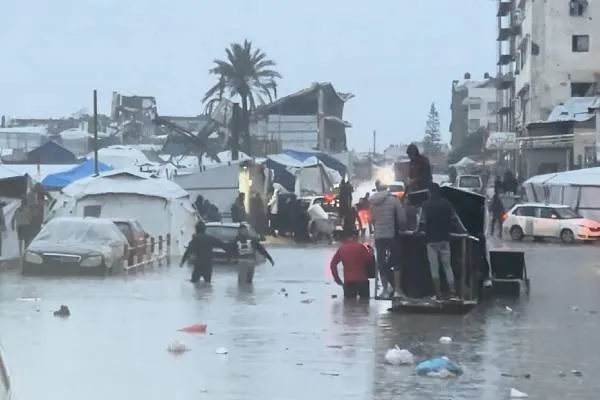
According to CCTV, health authorities in Gaza called on the international community for urgent support, warning that hundreds of thousands of patients are at risk due to severe shortages of medicines, medical equipment, and ambulance services.
Mohammed Abu Afash, Director of the Gaza Medical Relief Organization, said that despite the ceasefire taking effect, the promised medical aid convoys had not reached the area. He stated that this had led to critical shortages of medicines and equipment, while shortages of laboratory supplies and medical testing materials had exceeded 87 percent.
According to health officials, more than 24,000 people with chronic illnesses are unable to access the treatment they need. They also said that a significant portion of more than 300,000 hypertension patients are facing serious health problems due to interruptions in their treatment.
Officials also warned that as summer temperatures rise, the risk of infectious diseases spreading in overcrowded camps housing displaced civilians has increased.
Health authorities in Gaza also announced that the ambulance fleet had been severely affected. They said that 70 percent of ambulances were out of service due to direct attacks, mechanical failures, and shortages of spare parts, adding that continued restrictions on the entry of tires and spare parts could bring emergency medical services to a complete halt.
Meanwhile, Fatah official Munther al-Hayek criticized the humanitarian situation in Gaza, describing the crisis as "a full-scale war conducted by the United States through Israel."
While noting that the ceasefire announced between Israel and Hamas has remained in effect since October 10, 2025, health officials stressed that uninterrupted delivery of medical aid and health supplies to the region is essential to address the current humanitarian crisis.
Europe Asia News
 Facebook
 Tweeter
 Whatsapp