Several countries withdraw from Eurovision after Israel’s participation is approved
Stockholm, 4 December (Hibya) – The European Broadcasting Union (EBU) adopted a neutrality decision following a meeting in Geneva. In response, public broadcasters in several countries announced that they would withdraw from the contest.
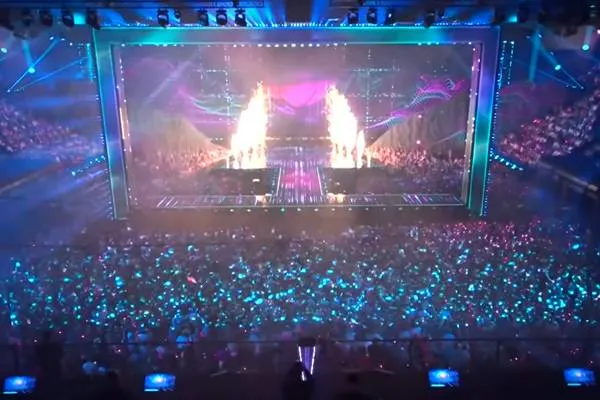
Members of the European Broadcasting Union (EBU) convened at the General Assembly in Geneva and approved a series of targeted amendments to the Eurovision Song Contest rules, aimed at strengthening the event’s trust, transparency and neutrality.
The vast majority of EBU Members agreed that no further vote was needed regarding participation in next year’s event and that the 2026 Eurovision Song Contest should proceed as planned, with additional safeguards in place.
Before the vote, an extensive debate was held in which Members expressed a wide range of views on participation in the Eurovision Song Contest. Many Members also underlined the importance of safeguarding the independence of public service media and protecting press freedom, particularly in conflict zones such as Gaza.
After the debate, EBU President Delphine Ernotte Cunci stated: “The outcome of this vote demonstrates our Members’ shared determination to maintain transparency and trust in the Eurovision Song Contest, the world’s largest live music event. These discussions have led to meaningful changes to the Contest’s rules, ensuring that Eurovision remains a place of unity and cultural exchange.”
Following the neutrality decision by the EBU, several national broadcasters reacted by announcing that they would not take part in the Contest.
Irish public service broadcaster RTÉ announced that it would not participate in next year’s Contest and would not broadcast the event.
In its statement, RTÉ said that, given the “horrific loss of life and humanitarian crisis” in Gaza, Ireland’s participation in the event would be “unconscionable”.
The Netherlands likewise announced that it would not participate in next year’s Eurovision Song Contest. Public broadcaster NPO said that, following AvroTros’s withdrawal, no other Dutch broadcaster would send an act, although the Contest would continue to be aired for viewers.
Spanish broadcaster RTVE also announced that it was withdrawing from the 2026 Eurovision Song Contest. While recognising the new rules adopted by the EBU to safeguard neutrality and restrict coordinated voting and promotion, RTVE stated that, in light of its concerns about fairness and the political context surrounding Israel’s participation, the changes remained insufficient.
Europe Asia News
 Facebook
 Tweeter
 Whatsapp