Trump threatens to impose tariffs on countries selling oil to Cuba
Washington, Jan. 30 (Hibya) – U.S. President Donald Trump threatened to impose tariffs on countries supplying oil to Cuba, as Washington steps up pressure on the Caribbean nation.
The proposed new tariffs were outlined in a presidential executive order, but no details were provided on specific tariff rates or which countries could be targeted.
The order accuses Cuba of hosting a Russian intelligence facility aimed at stealing sensitive information related to U.S. national security, according to the White House.
It also states that the U.S. government believes Cuba provides safe haven to militant groups Hezbollah and Hamas.
In a statement, the White House said: “Cuba harbors international terrorist groups such as Hezbollah and Hamas and creates a safe environment for these malign groups to establish economic, cultural, and security ties across the region and to attempt to destabilize the Western Hemisphere, including the United States.”
Trump had previously ordered Cuba to “reach a deal before it is too late,” but did not specify the terms of such a deal or the consequences the island nation might face.
At the time, Cuban President Miguel Díaz-Canel said Washington had no moral authority to impose a deal on his country.
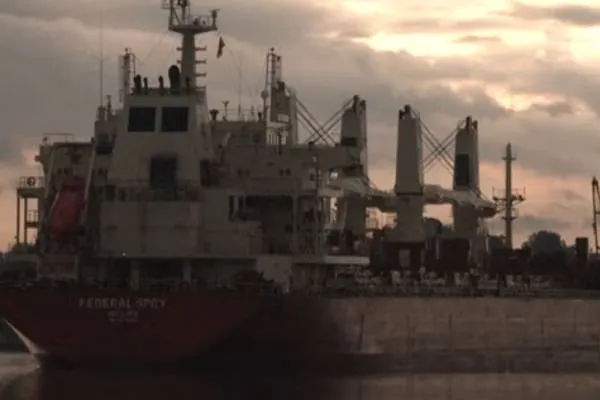
The Trump administration’s tactic of seizing sanctioned Venezuelan oil tankers has begun to further worsen Cuba’s fuel and electricity crisis.
The country has faced ongoing power outages, and Cubans are struggling to cope without a reliable electricity supply.
Cuban Foreign Minister Bruno Rodríguez recently said that the Caribbean island nation has the “absolute right to import fuel” from any willing exporter “without interference or submission to the United States’ unilateral coercive measures.”
Europe Asia News
 Facebook
 Tweeter
 Whatsapp