Japan to Restart Fukushima Nuclear Plant
Stockholm, December 25 (Hibya) - Japan will restart the world's largest nuclear power plant 15 years after the Fukushima disaster.
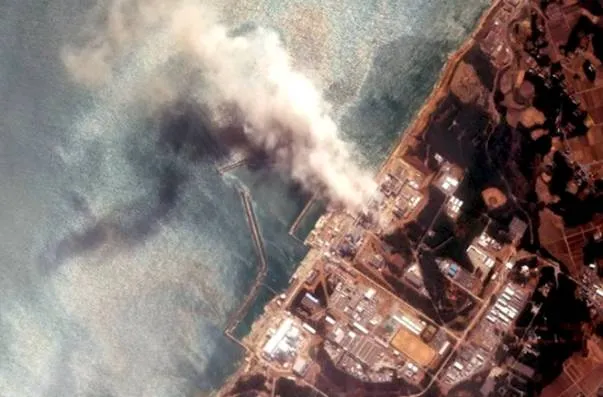
Japanese authorities have approved the decision to restart the world's largest nuclear power plant, which has been idle for more than a decade following the Fukushima nuclear disaster. This decision was made at a critical moment as the country attempts to reduce its reliance on fossil fuels for energy supply.
Despite concerns from many local residents, the Niigata Prefectural Assembly, home to the Kashiwazaki-Kariwa plant, approved a bill on Monday that allows Tokyo Electric Power Company (TEPCO) to restart one of the plant's seven reactors.
According to Japan's public broadcaster NHK, the company plans to restart reactor number 6 around January 20.
Japan has adopted a cautious approach to nuclear energy since the 2011 Fukushima Daiichi disaster, which was caused by a massive earthquake and tsunami of magnitude 9.0 and led to nuclear meltdown. This was the world's largest nuclear disaster since Chernobyl in 1986.
Following the disaster, Japan shut down all 54 of its nuclear reactors, including the Kashiwazaki-Kariwa plant located in the coastal and port area of Niigata, about 320 kilometers north of Tokyo.
According to the World Nuclear Association, since then, Japan has restarted 14 of its 33 operational nuclear reactors.
Europe Asia News
 Facebook
 Tweeter
 Whatsapp