WGC: Gold becomes an increasingly attractive source of stability
Istanbul, December 25 (Hibya) - Joe Cavatoni, Senior Market Strategist at the World Gold Council (WGC), said: “Uncertainty continues to be a defining characteristic of the global economy. In this environment, gold is becoming an increasingly attractive tool for strategic diversification and a source of stability.”
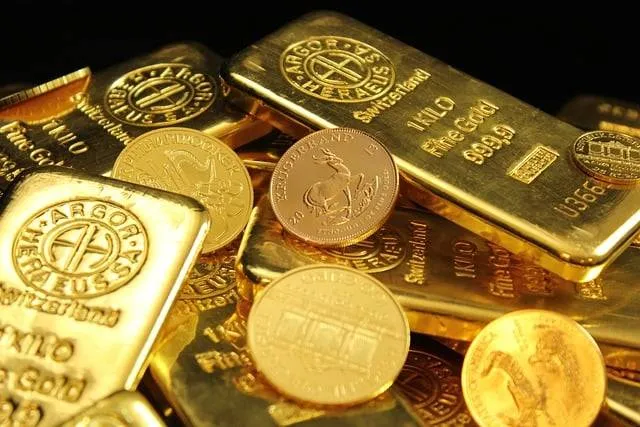
Cavatoni emphasized that increased government spending, central bank demand, and low interest rates could increase gold prices by 5-15% next year. “If economic growth slows and interest rates continue to fall, gold may experience a moderate increase. In a more severe recession scenario with rising global risks, gold could show strong performance,” he added.
Gold futures traded in New York have increased nearly 71% this year, moving toward their best annual gain in 46 years. The last time gold had such a strong year was during Jimmy Carter’s presidency, when there was a crisis in the Middle East, inflation was rising rapidly, and the U.S. was in the middle of an energy crisis.
Today, tariffs are disrupting international trade, Russia’s war against Ukraine is escalating conflicts, tensions between Israel and Iran are increasing, and the U.S. is seizing oil tankers off Venezuela’s coast. In times of uncertainty, investors turn to safe-haven assets like gold.
The rise in precious metals coincides with a time when investors are spreading their attention to risky assets, from AI-related transactions to European stocks. However, gold and silver maintain their strong positions as the year’s best-performing assets.
Shree Kargutkar, Senior Portfolio Manager at Sprott Asset Management, said, “In the new paradigm, gold is seen not as a commodity but as a currency.”
Strategists note that the traditional 60% equity, 40% bond portfolio has undergone significant changes. Phil Streible, Chief Market Strategist at Blue Line Futures, said, “Investors are becoming more sophisticated. Investors are realizing that they need to add strategic commodities like gold, silver, and copper to their portfolios for diversification.”
For gold, the main factors are central bank stockpiling, purchases by exchange-traded funds (ETFs), a weak U.S. dollar, and falling interest rates. These factors are expected to continue to influence gold next year.
It is expected that U.S. President Donald Trump will soon announce his candidate to replace Jerome Powell, whose term at the Federal Reserve (Fed) will end next May, and this is expected to trigger expectations for the Fed’s dovish stance and “aggressive easing” policy, which could further increase the prices of non-yielding precious metals.
Some Wall Street analysts believe that gold prices will continue to rise as central banks remain “decisive” net buyers of gold. Goldman Sachs, reiterating its “structurally bullish” view, forecasts that gold will reach $4,900 by the end of 2026; if sufficiently positioned private investors increase their positions, there could be upside risks for gold prices.
Europe Asia News
 Facebook
 Tweeter
 Whatsapp